

As winter has already arrived, the states in north face its persistent seasonal challenge – dangerously high air pollution.
Major cities across the country are recording ‘severe’ AQI levels, having crossed the recommended safety limit long back now. With more than 70 of the world’s most polluted cities located in India (as reported by AQI.in), breathing clean air at home is no longer a luxury but a necessity.
As winter approaches, India confronts a familiar yet deeply troubling challenge: hazardous air pollution levels that threaten public health across major urban centers. The metro areas have reported pollution far beyond what health authorities consider safe for human exposure, which is an alarming situation. This crisis affects millions of residents who must manage their daily life amid toxic smog.
While natural solutions can’t completely remove the pollutants, combining smart habits with simple, nature-inspired methods can significantly improve the quality of air inside your home. If you’re looking for effective and easy ways to reduce the indoor pollution when the outdoor smog becomes unbearable, here are some tips for you to adopt.
1) Start With Awareness: Monitor Your Indoor Air
Before you make any changes, it’s important to understand what you’re breathing. Indoor air quality monitors have become more accessible and offer real-time readings of particulate matter, humidity, temperature, and even harmful chemicals (VOCs).
Having this information helps you decide when to ventilate your home, when to keep windows shut, and what purifying methods you need. Think of it as the health tracker for your home’s air – you can’t fix what you can’t measure.
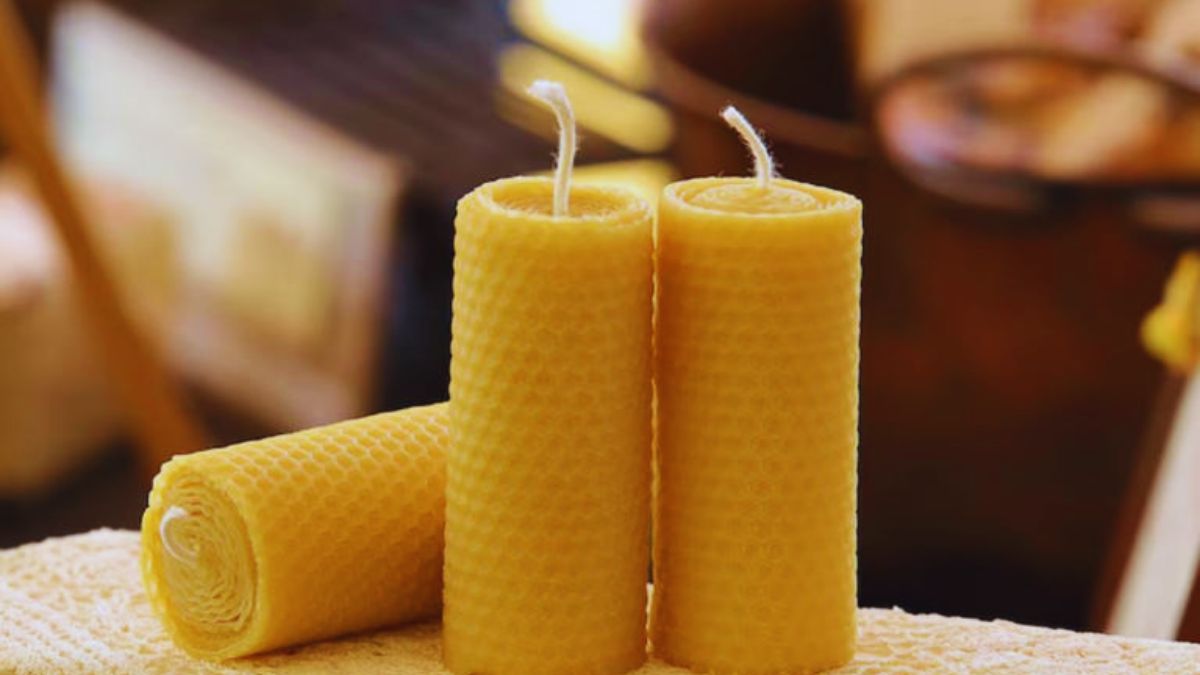
2) Burn Beeswax Candles for a Cleaner Atmosphere
Beeswax candles do a lot more than create a calming ambiance. Unlike paraffin candles, which release soot and chemical residues, beeswax burns cleanly and emits far fewer pollutants. When warmed, they also release negative ions, which can bind with dust particles and allergens, helping them settle out of the air faster.
If you can’t access beeswax candles – soy wax and coconut wax candles are gentle, healthier alternatives too. They produce less smoke and reduce the risk of adding more pollutants to already compromised indoor air.
3) Use a High-Efficiency Air Purifier
Even though air purifiers aren’t “natural,” they have become almost essential during India’s pollution peaks. HEPA-equipped (High Efficiency Particulate Air) purifiers can filter out as much as 99% of particles as tiny as 0.3 microns—including PM2.5, smoke, dust, and pollen.
To get the best results, you’ll want to check two things:
- Coverage area: Make sure the purifier matches your room size.
- Filter type and quality: A true HEPA filter is non-negotiable in smog season.
Using an air purifier consistently during winter can drastically reduce indoor particulate levels, giving your lungs a much-needed break.
4) Bring Home Air-Refreshing Indoor Plants
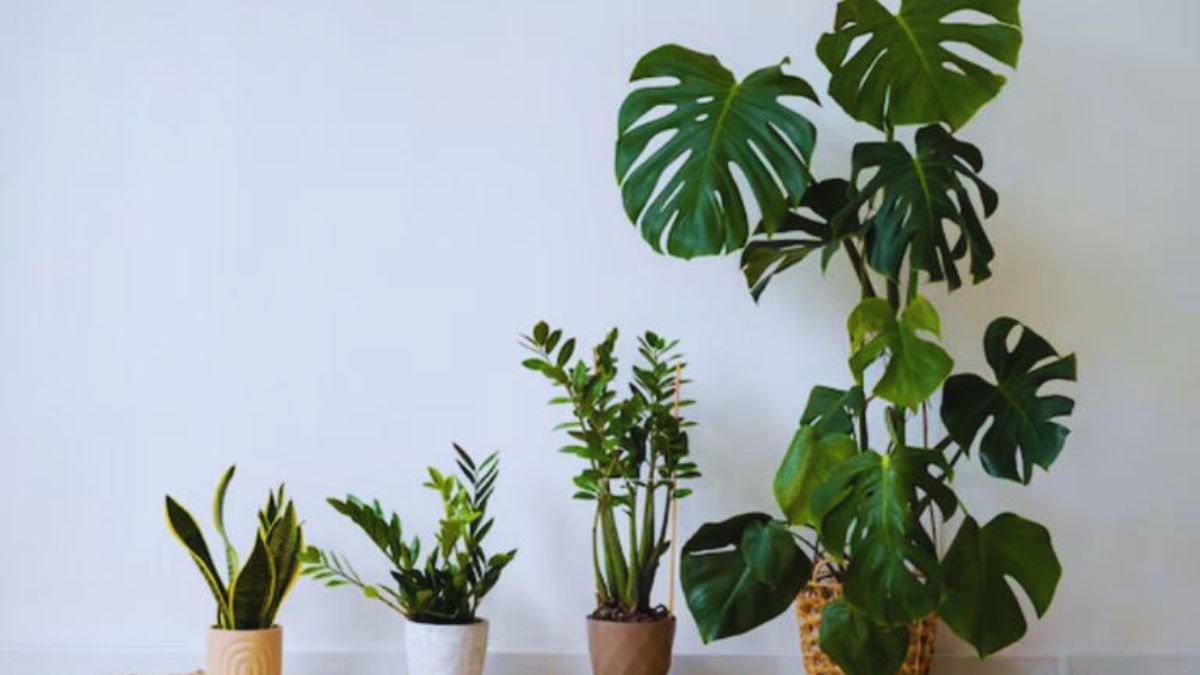
Adding greenery indoors doesn’t just elevate your décor—it can also contribute to fresher, more balanced air. Plants like snake plant, money plant, rubber plant, and aloe vera can help absorb common indoor toxins such as benzene, formaldehyde, and xylene.
They can’t replace air purifiers, but they do naturally boost humidity, which is helpful when pollution causes dryness and irritation.
- Money plants are excellent for removing the chemical toxin commonly found in furniture, fabrics, and building materials.
- Rubber plant effectively absorbs air-borne toxins while surviving in moderate indoor light.
- Aloe vera offers dual benefits by filtering chemical vapors while providing a readily available remedy for minor burns and skin irritations.
To see real benefits, place these plants in areas where you spend the most time—your bedroom, living room, or workspace.
Also Read: Why Winter Is the Best Time to Install a Pergola? Discover the Top 7 Benefits
5) Switch to Low-VOC Household Products
Many everyday items—air fresheners, paints, polishes, adhesives, and multipurpose cleaners—contain volatile organic compounds (VOCs).
- These chemicals evaporate easily into the air and can trigger headaches, throat irritation, and breathing issues, especially in children and older adults.
- Opting for low-VOC or VOC-free (Volatile Organic Compounds) products, such as natural room sprays, herbal cleaners, and low-VOC wall paints, not only reduces indoor toxicity but also helps keep your atmosphere fresher and odour-free.
- This small change can make a surprisingly big difference over time.
Also Read: Best Plants for Oxygen Release in Your Bedroom at Night
During severe pollution events, every measure counts. Natural air purifiers, thoughtful product choices, and simple everyday habits work together to reduce the harmful effects of winter pollution. Together, these strategies create multiple layers of protection that can transform your home into a space from outdoor harm, where your family can breathe easier and live healthier.
A little effort goes a long way – especially when each breath matters.